Hilltown Resource Management Cooperative
Serving Hilltown Area Sustainability, Recyclling & Solid Waste Needs Since 1989
Town Services
All HRMC Towns provide the following collection and recycling services.
Textiles
Metals
Recyclables
Fluorescent Lights
Mattress Recycling
Appliances
Propane Tanks
Electronics
Hazardous Waste
 The 2025 Household Hazardous Waste event will be on Saturday, Oct. 18, 2025. Registration for event will take place Oct 1-14. For a PDF click here
What Do I Do With
 There are over 350 items listed alphabetically by the Springfield MRF, To see the list click here.
Why Home Composting?
Composting is the natural process of decomposition of organic material into rich soil amendment. Composting helps to reduce the amount of organics materials being thrown out in the trash. Studies indicate that most household garbage contains about 25 % organic, compostable materials! This includes , but is not limited to, fruit, vegetables, pasta, bread, tea bags, coffee grounds, eggshells, and shredded paper.Information for Transfer Stations
The Earth Machine
Earth Machine pre-orders 2026
The Earth Machine compost bin helps hold in heat and moisture, keeps animals out, and looks more attractive than an open compost pile. Organic material will start to turn to compost in the bin in 3 to 6 months. Compost, known as "black gold" to gardeners, replenishes nutrients in the soil, helps retain moisture, makes the soil easy to work, and helps plants resist disease. Compost makes plants healthy so they can overcome adverse conditions without pesticides or chemical fertilizers.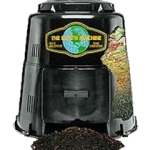 The 80-gallon Earth Machine® is a durable backyard compost bin designed to compost food and yard waste, effectively diverting it from landfills. When residents are encouraged to divert organics from the waste stream and are educated about the benefits of composting, up to 50% of organic waste can be diverted from the waste stream. The Earth Machine is for food and yard waste only.
Composting is Easy
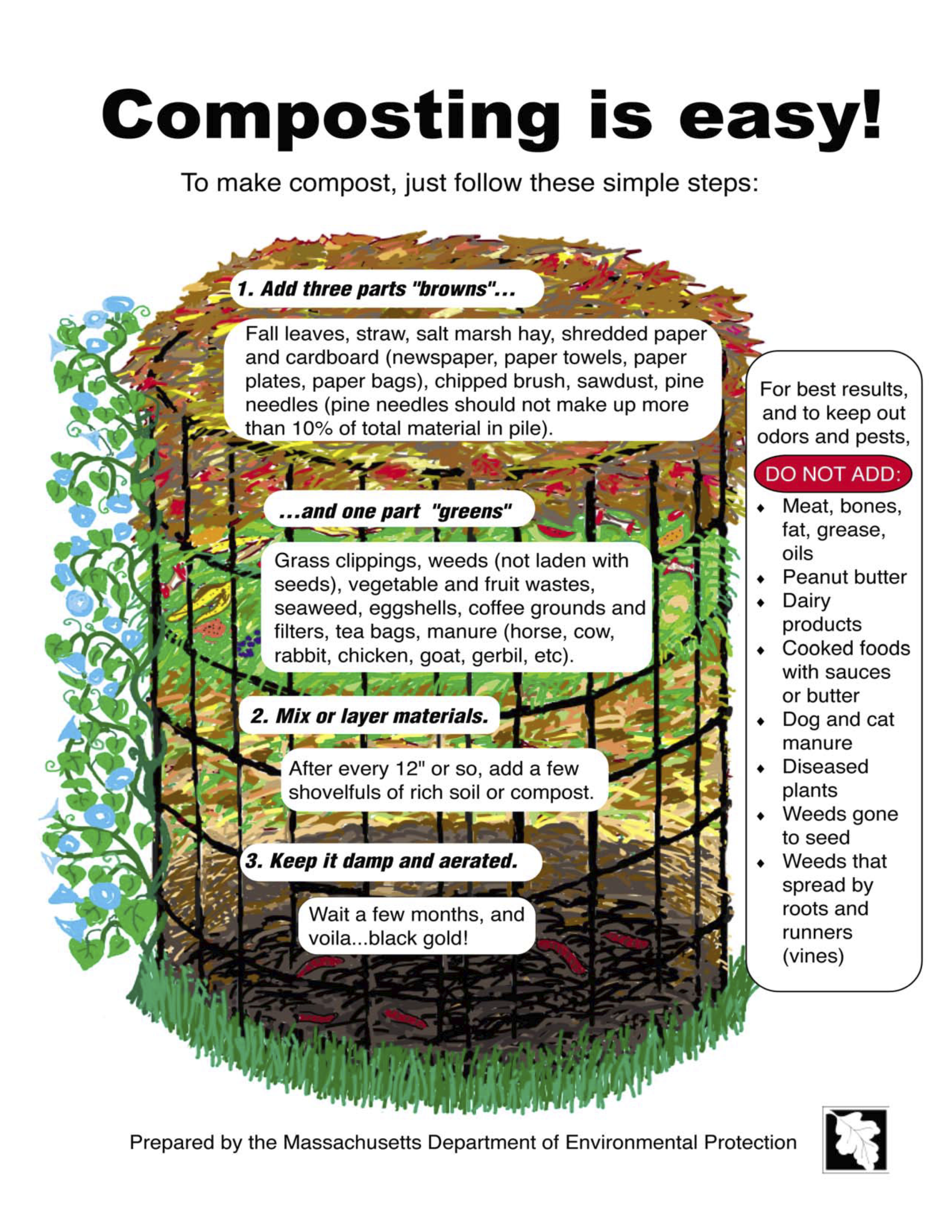
Whether you choose to purchase a backyard compost bin or create your own bin, your compost bin or pile should consist of three parts “brown” material and one part “green” material. This provides food for the compost organisms in a recipe that will not create odors. “Brown” ingredients include fall leaves, straw, dried grass clippings, wood chips, sawdust, pine needles, and shredded paper products such as napkins, bags, plates, coffee filters, tissue and newspaper. “Green” materials include fresh grass clippings, weeds, fruit and vegetable scraps, coffee grounds, tea bags, eggshells, manure, and seaweed. Make sure the materials are damp as you build the pile, especially the “browns.” As you build the pile, sprinkle on several shovels full of rich garden soil or finished compost after every 12” of fresh material.
Leaves are an important ingredient of any composting effort. Without them, your compost may become too wet and create odors. If you have leaves available, use them to start your compost pile and save the rest to add during the summer. Compostable food scraps and grass clippings should be buried under about 6" of leaves, where they will decompose without odor. If leaves are in short supply, add plenty of shredded paper towels, napkins and torn up paper bags to provide the necessary carbon, and always bury your food scraps under this material.
Most of the composting work is done by soil organisms that convert organic material to humus. They need oxygen, just as we do. Lack of oxygen will slow down the composting process and cause odors. The Earth Machine allows air to penetrate the pile. If you have a home-made compost pile, periodically turn your pile, fluff it with a hoe or turning tool, or build air passages into the pile to keep your compost pile aerobic and odor-free.
In about three months, the material will start to turn to compost. The material at the bottom of the pile will be ready first. As more time goes by, the level of compost in the pile will rise until it is easy to access just below the surface. You will know your compost is ready to use when it looks like rich, brown soil and no longer resembles the original materials.
Compost benefits all plants, and there are many ways to use it. Add a handful of compost to each transplant hole when planting seedlings or potted plants. Spread another handful on the surface of the soil around the newly planted seedling, making sure that the compost is not touching the stem or trunk of the plant. Spread compost as a mulch around perennials, shrubs, and other existing plantings. If you are planting seeds, apply one-half to three inches of compost and mix it in with the top four inches of soil in the seedbed. To rejuvenate lawns, screen your compost using 1⁄2” screening. Sprinkle the screened compost on the lawn about 1⁄4” deep. Screened compost is also excellent for reseeding lawns. Sprinkle it 1⁄2” deep over the bare spots and distribute new grass seed on top. You can even make excellent potting soil with compost by mixing equal parts compost, sand, and loam.
https://www.epa.gov/recycle/composting-home educational link also for the towns web site.
OPPORTUNITIES TO LEARN MORE ABOUT COMPOSTING
An in-depth webinar, “Turn Garbage Into Gold Composting at Home” is available at: Turn Garbage Into Gold Additionally, a video entitled, “Home Composting; Turning Your Spoils to Soil” is available for streaming at: Turning Your Spoils to Soil
Use the form above to search statewide recycling informationthrough MassDEP
HRMC Board Meeting
Friday, September 25, 2026 – 10:00am to noon
Williamsburg Town Offices
141 Main Street
Haydenville, MA
2nd Floor Auditorium
To view the agenda & download a copy click here
To view minutes of July's meeting & download a copy click here To view other agendas or minutes & download a copy click here
The Springfield MRF Advisory Board’s annual Reduce Reuse Recycle guides are now available online!
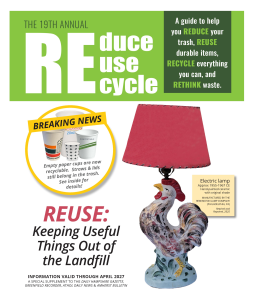
HRMC member Town recycling is processed at the Springfield Materials Recycling Facility (MRF). For up to date recycling guides, please visit the MRF website: whats-recyclable-at-the-mrf In honor of Earth Day in April, the guide features how the Springfield MRF benefits the regional economy and the environment, what materials are accepted at your town’s municipal transfer station, and much more! View the 2026 Edition Online at: Reduce Reuse Recycle (RRR)
Beyond the Bin – New Link
What is Beyond the Bin? Beyond the Bin is for next-level searching. The directory helps Massachusetts residents find recycling and reuse outlets for household items – including old electronics, plastic bags, furniture, and textiles – that cannot be recycled with household bottles, cans and paper. The new and improved Beyond the Bin directory is now part of Recycle Smart MA, along with the fan-favorite Recyclopedia, RSMA Quiz, and loads of other resources! You can find it here: Beyond the Bin
Me and My Bin – Link
The story about Me and MY Bin. View on YouTube
Four Short Multi Language Videos
Our four “material specific” videos have been translated into four languages! In collaboration with the communities of Agawam and West Springfield, the Springfield MRF Advisory Board releases this new multilingual recycling outreach tool. Thanks to Reelife Productions, UMass Amherst Translation Center, and the Agawam School Department for their assistance with this educational project. Click below for links to the video translations in Spanish (Español), Turkish (Türkçe), Ukrainian(українська) and Russian (Русский). To view – click here